
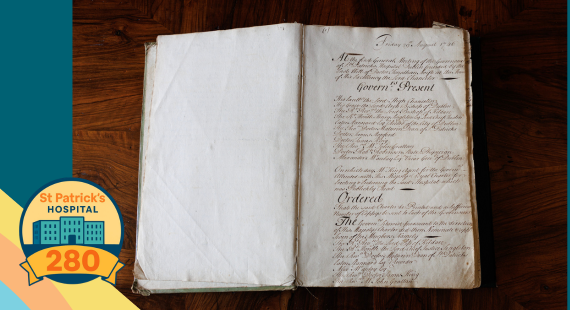
This August marks the 280th anniversary of the foundation of Saint Patrick’s Hospital, the first psychiatric hospital to be built in Ireland, and one of the very first in the world.
Today known as St Patrick’s Mental Health Services (SPMHS), this significant milestone sees us celebrating almost three centuries of providing mental healthcare, while continually evolving through partnership with service users, innovation in research and training, and education and human rights advocacy.
Swift’s vision
Saint Patrick’s Hospital was founded in 1746, at the bequest of Jonathan Swift, noted author, satirist, patriot and Dean of St Patrick’s Cathedral. On his death in 1745, Swift left £12,000 to “build a house for fools and mad”. One year later, on “the 8th day of August 1746”, the Governors of Saint Patrick’s Hospital Dublin were incorporated.
A former governor of the infamous Bedlam asylum in London, Swift was a pioneer in recognising that people living with mental illness should have their voices heard and required a specialist service to provide care and treatment.
Our history
Following its establishment in 1746, it would take more than 10 years before Saint Patrick’s Hospital opened its doors to its first patients. While the building was completed in 1753, a lack of funding for staff and furnishings meant the hospital lay empty for four years. It finally opened its doors to its first patients - six men and four women - in September 1757.
Throughout the 19th century, the hospital grew significantly. There were two building extensions; patient capacity rose to over 150; staff numbers increased to over 50. In 1898, land at St Edmundsbury in Lucan was acquired, with a new hospital opening its doors the following year. In the century that followed, Saint Patrick's became a noted centre for teaching, research and innovation.
SPMHS today
280 years on, we have become Ireland's largest independent not-for-profit mental healthcare provider, with more than 700 staff working across clinical and non-clinical disciplines. We provide care through two adult inpatient hospitals and an adolescent inpatient unit, alongside a homecare service; more than 30 group therapy day programmes and several one-to-one therapies; and community clinics in Dublin, Cork and Galway.
Grounded in a human rights-based approach, we are committed to providing the highest quality mental healthcare; to promoting mental wellbeing and mental health awareness; and to advocating for those experiencing mental health difficulties.
Speaking about this significant anniversary, Paul Gilligan, our Chief Executive Officer, said: “As we celebrate 280 years of Saint Patrick’s, we honour the legacy of Jonathan Swift, whose founding vision was pivotal in shaping a more humane approach to the care of people experiencing mental illness. Swift’s belief that every person deserves to be treated with dignity, compassion and respect continues to inspire our human rights-based work today.
In the 21st century, SPMHS has evolved into one of the most important providers of mental healthcare in Ireland, working in partnership with the people who use our services to deliver compassionate, person-centred, human rights and evidence-based care.
This milestone anniversary is an opportunity not only to reflect on our long history, but to look to the future. Together with the people who use our services, our staff and our partners, we will continue to advance mental healthcare through excellence and innovation in clinical care, research, education and advocacy.”
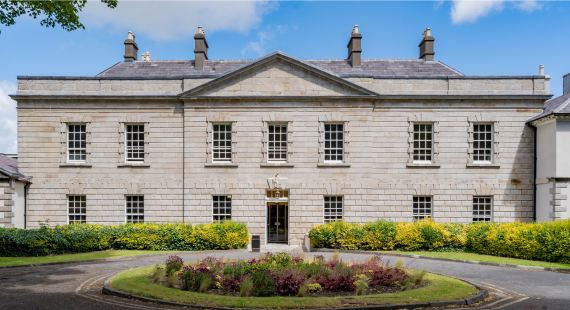
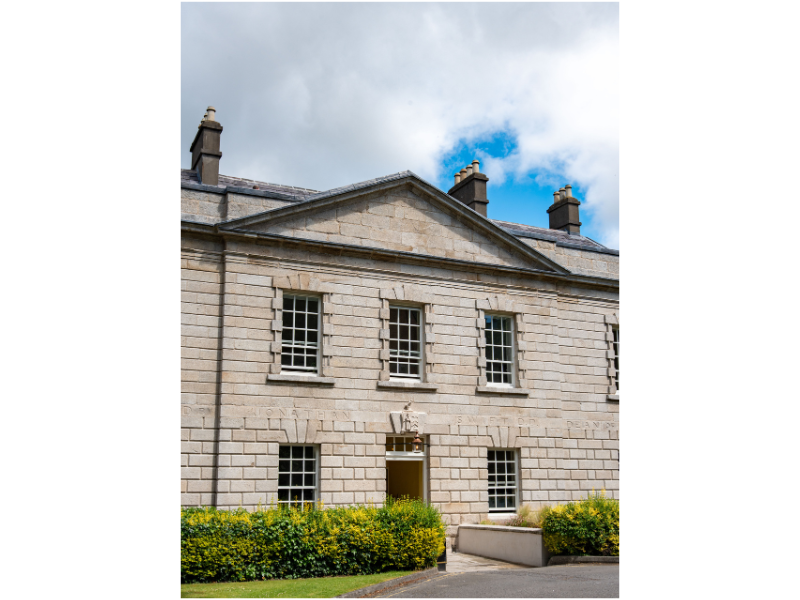
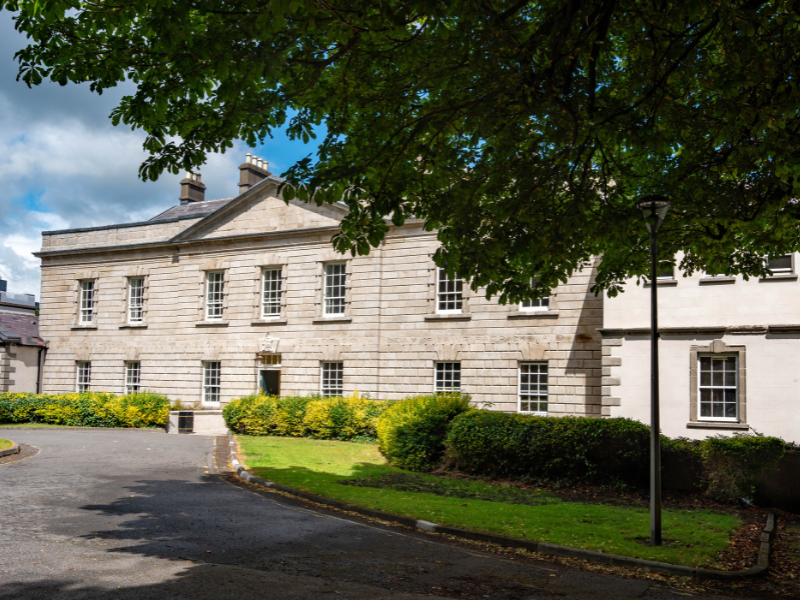
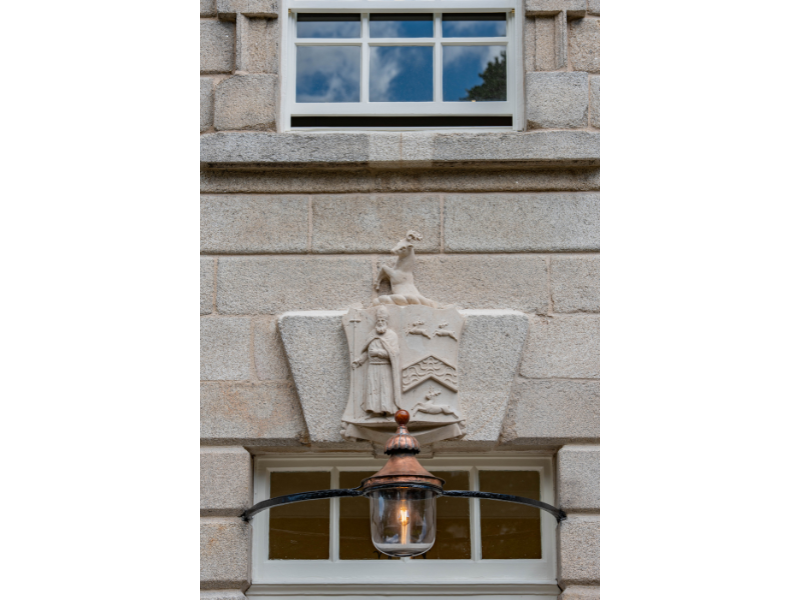
We continue to invest in our people, services and facilities, while exploring new ways to improve mental health outcomes and support mentally healthy living. Recent refurbishment of the historic building, where this story began, reflects that ongoing commitment to renewal and progress, ensuring that it remains a place of care, learning and support for generations to come.
See the renovated historic building








Learn more about our history

Continue to…
Favourite Painting 2026 opens for voting