
Air pollution harms both physical and mental health. We outline why action for cleaner air is also action for mental health.
A human right to clean air
The environments we grow up in, live in and work in, influence and shape our mental health. That includes the air we breathe.
We all have a human right to clean air, as part of the right to a clean, healthy and sustainable environment. Unfortunately, in Ireland, as in most of the world, many of us are not breathing clean air. Air pollution has serious implications for both our mental and physical health.
The good news is there are many solutions that can be implemented nationally, and in our local towns and communities, to achieve clean air and better health for all.
A public health priority
St Patrick’s Mental Health Services (SPMHS) is a member of the Climate and Health Alliance (CHA). The CHA is an alliance of more than 30 health and advocacy organisations calling for greater awareness of, and action on, the links between climate change and health. They have published a report – Clean Air, Healthier Ireland, calling for air pollution to be recognised and addressed as a public health priority.
What is air pollution?
UNICEF explains air pollution as follows - “When harmful substances (pollutants) – particles, gases, or matter – are released into the air and reduce its quality, the air is polluted. When it is very polluted, we can see a grey or yellow haze.”
In Ireland, air pollution comes mostly from the burning of fossil fuels via petrol and diesel cars and trucks, and home heating, including open fires and wood-burning stoves. Other sources of air pollution include airplanes, industrial activity, construction and agricultural sources.
The most important type of pollution for public health is called ‘fine particulate matter’. These are very small particles that can be inhaled, crossed over into our blood and organs, and cause serious health impacts.
How can air pollution impact mental health?
Air pollution gets into our bodies mostly by breathing it in. The smallest particles can cross into our blood via our lungs and reach different organs in the body including the brain. One way air pollution may impact mental health is by causing inflammation in the brain or changes in neurochemistry.
Research indicates that air pollution is linked with increased risk of mental health difficulties including depression, anxiety, psychosis and dementia. For example, air pollution has been identified as a ‘modifiable’ risk factor for dementia, which means it can be changed. It is estimated that if air pollution were eliminated, we would see a 3% reduction in dementia cases.
Studies show that being exposed to higher levels of air pollution in either the short-term (for example over a few days) or long-term (for example living in an area with poor air quality), can have negative impacts on mental health.
Are there particular groups who are more at risk of health impacts?
- Babies and children are especially vulnerable because they breathe at a much faster rate than adults, so they take in more pollutants. Their lungs and other organs are small and still developing. They are also closer to the ground and to higher concentrations of pollution, for example from car exhausts. Studies show exposure to air pollution in the womb and in early childhood can impact children's health and development.
- Pregnant women are also more at risk of harm from air pollution, including increased risk of post-natal depression.
- People with enduring mental health difficulties may also be more vulnerable to air pollution impacts. For example, some studies have found that exposure to higher levels of air pollution was associated with greater levels of mental health service use by people with psychosis.
- Older people are at increased health risk from air pollution. As well as dementia, an Irish study has found that outdoor air pollution is linked with a greater risk of depression and anxiety amongst older adults.
What can we do about it?
The good news is, there are many things that can be done to improve the quality of the air we are breathing, and these steps can also help limit the health harms of the climate crisis. This is because air pollution is also a major cause and contributor to climate change.
Many clean air actions are also good for our mental health and wellbeing in a more general sense. Examples include:
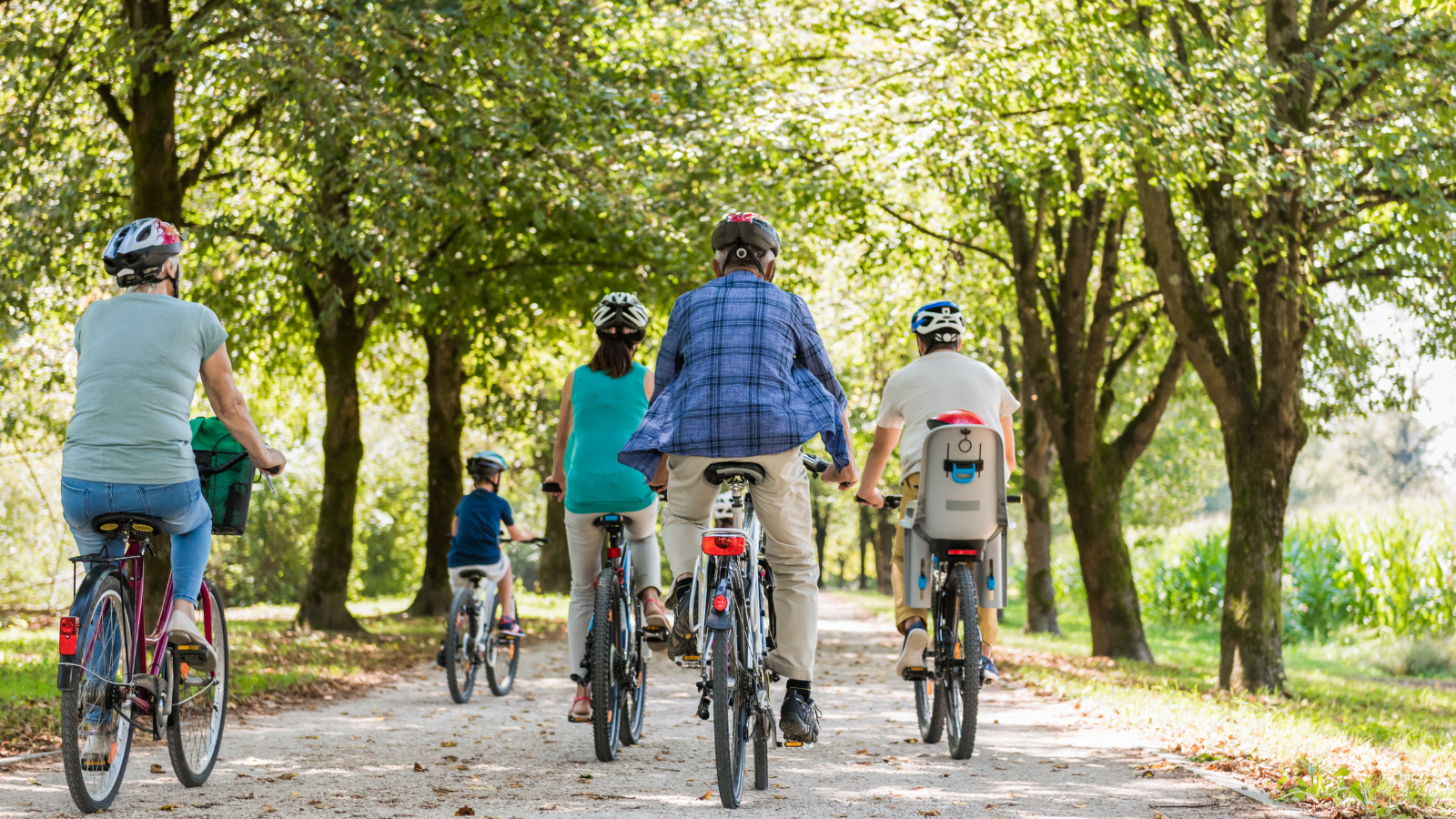
- More safe walking and cycling routes for people of all ages and abilities: This will take more polluting vehicles off the road and also support healthy active lifestyles.
- More public transport options, in both rural and urban areas: These actions will improve air quality and combat social isolation.
- Restoring and enhancing our natural environments: Improvements in all areas including towns and cities, are key to achieving clean air. Access to nature and green spaces is also well-proven to support mental health and wellbeing for people of all ages.
Other clean air actions that will help include:
- Upgrading home heating to clean energy sources and prioritising retrofitting for vulnerable groups, to make homes safer and warmer.
- Creating more pedestrianised areas in our villages and towns.
- Setting up ‘no car idling’ policies for schools and healthcare facilities.
- Banning advertising for highly polluting products, such as fossil-fuelled vehicles.
What can I do about it?
There are many things we can do to help protect ourselves from air pollution, and to contribute to cleaner air for all. Some suggestions include:
- Choose public transport, cycling or walking whenever possible. Pollution tends to be higher inside a car than outside!
- Choose walking or cycling routes with less traffic.
- Exercise outdoors at times when there is less traffic around you if possible.
- Look into clean energy upgrades to move away from solid fuel burning and replace gas stoves with electric. You can find information about schemes and grants here.
- Ask at your workplace about sustainable travel options, like bike-to-work schemes or the ‘Taxsaver’ Commuter Ticket Scheme.
- Turn off your car engine when it is stationary, don’t idle the engine. Suggest ‘no idling’ policies for your workplace, college or at your children’s childcare or school.
- Contact your local councillors or TDs to tell them you are concerned about the health impacts of air pollution in your community and ask them to push for greater action to achieve clean air.
More information about air quality in Ireland
Download the Clean Air, Healthier Ireland report.
Learn more about air quality in Ireland and how it can be improved.
Access UNICEF’s guidance on protecting your family from air pollution.
Green Schools Ireland have developed a no idling resource for schools. Download their resource here.
Louise O’ Leary is Advocacy Manager at SPMHS.